
Catalytic converter purchasing, assay and processing
LET Metals purchases used catalytic converters and selected automotive materials. Every submission is assessed for its recoverable platinum, palladium and rhodium content — with settlement based on assay results.
About LET Metals
Valuation based on what the material actually contains
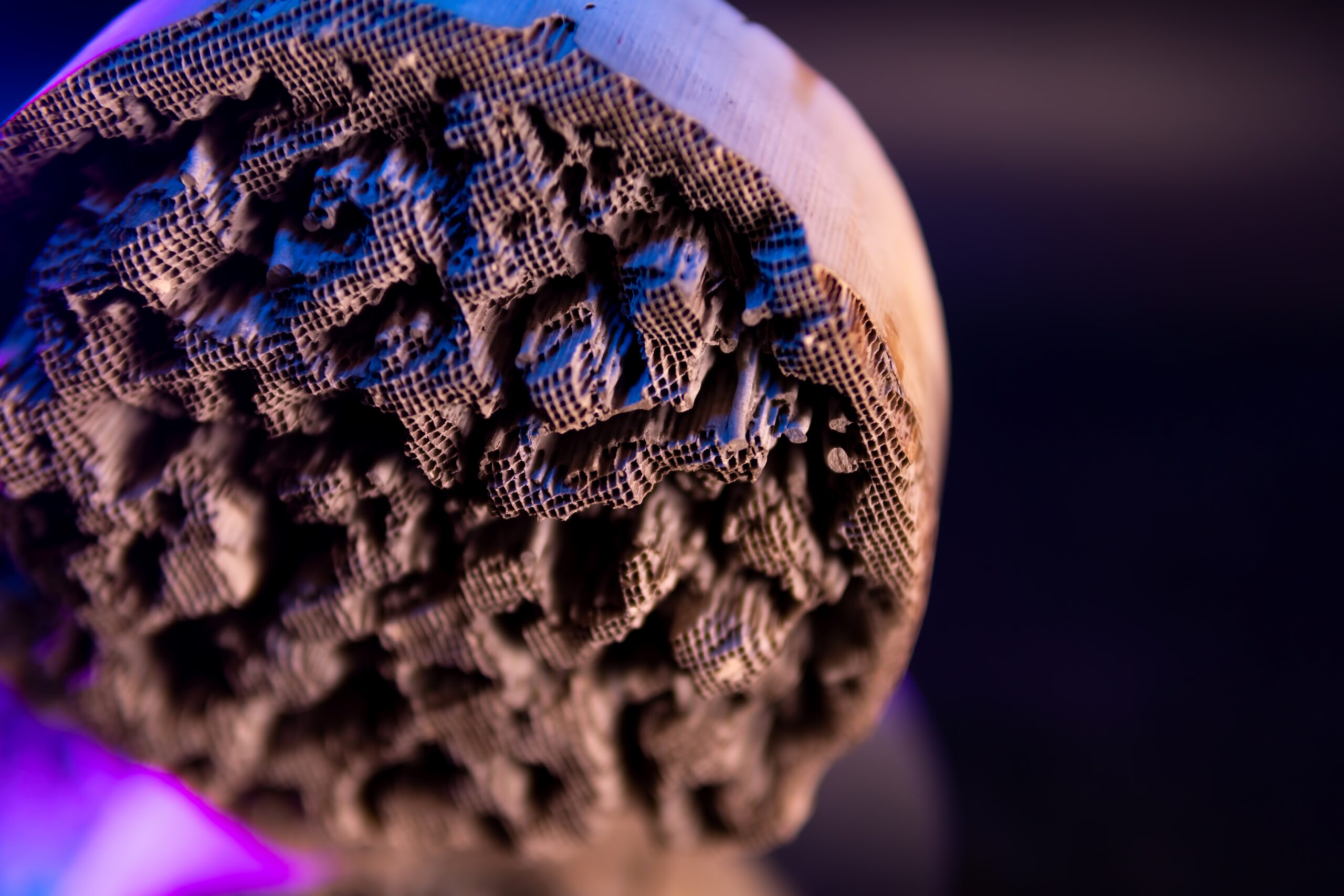
Catalytic converters differ in composition — even visually identical units can carry different quantities of platinum, palladium and rhodium. That is why every submitted unit or batch is inspected and assessed individually, and its value reflects the recoverable content of the material itself. Customers receive practical submission options, preliminary inspection, structured assessment, assay-based analysis and a clear final settlement.
What We Buy
Accepted material
Catalytic converter material is accepted in two forms, alongside a defined range of automotive components.
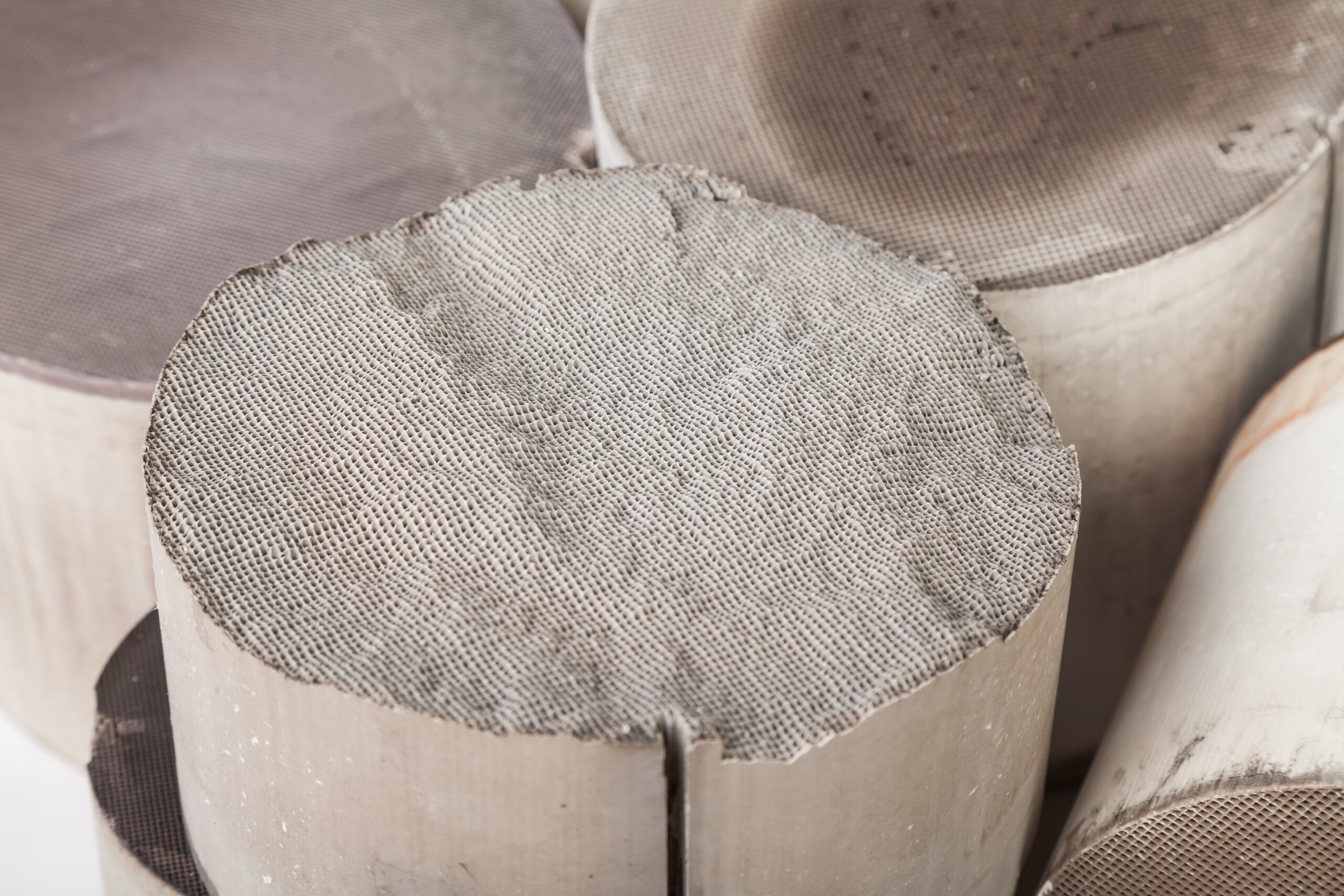
Complete catalytic converter units
Whole units are registered, visually inspected and assessed before processing.
Loose ceramic material
Loose ceramic is accepted for preparation, representative sampling and analysis.
We also purchase
- AC compressors
- Alternators
- Engine control modules
- Starters
- Car radios
- Rims
- Wires
- Copper
Assay Service
From submission to final settlement
The assay establishes the recoverable precious metal content of complete units or loose ceramic material through controlled preparation, representative sampling and analysis — and forms the basis of the final material value.
80%
An initial payment of up to 80% of the estimated material value may be provided following the preliminary visual inspection.
3–14 days
Up to 3 business days for smaller quantities; up to 14 days for larger batches.
Final
The remaining payment is calculated once the full assay is complete and the final material value is confirmed.
- Material registration
- Preliminary visual inspection
- Decanning where required
- Crushing and grinding
- Material homogenisation
- Representative sampling
- Analysis of Pt, Pd and Rh content
- Final settlement based on the analysis
Processing Sequence
From collected units to refined metal
Material moves through a defined sequence of stages that prepare it for accurate analysis and precious metal recovery.
- Collection and sorting
- Identification
- Decanning
- Crushing
- Grinding
- Homogenisation
- Representative sampling
- Material analysis
- Precious metal extraction
- Refining
Submitting Material
Three ways to submit
Choose whichever route suits the quantity and location of your material. Contact us in advance so the submission can be registered and scheduled.
01
Collection
Material can be collected by arrangement — contact us to agree the details.
02
Direct drop-off
Deliver material to [BUSINESS LOCATION], where it is registered and inspected.
03
Shipping
Ship material to us — we confirm receipt and proceed with registration.
FAQ
Frequently asked questions
We accept complete catalytic converter units and loose catalytic converter ceramic material.
Material can be submitted by collection, direct drop-off or shipping. Contact us first so the submission can be registered and scheduled.
Submitted material is registered and visually inspected, then prepared through decanning where required, crushing, grinding and homogenisation. Representative samples are analysed to determine the recoverable precious metal content, which establishes the final material value.
An initial payment of up to 80% of the estimated material value may be provided following the preliminary visual inspection.
Processing may take up to 3 business days for smaller quantities and up to 14 days for larger batches.
The remaining payment is calculated after the full assay has been completed and the final material value has been confirmed.
We purchase AC compressors, alternators, engine control modules, starters, car radios, rims, wires and copper.
The analysis covers platinum, palladium and rhodium content in the submitted material.
Contact
Discuss your material with us
Tell us what you have — complete units, loose ceramic material or automotive components — and we will explain the next steps.